
A car show board has one job: tell the story of your car before they walk to the next car. Most judges give a board ten seconds, maybe fifteen if something catches their eye. Below is what to put on yours so those seconds count, and what to leave off.

What Judges Actually Read
Judges read the top third of a car show board first. Year, make, model, and one headline fact. If that holds their attention, they keep reading. If the board opens with a paragraph, most of them won’t.
Build it in three layers. Start with what the car is. Follow with why it matters. Put the deeper story last, for the people who stop and stay.
The Specs
Lead with the car itself: year, make, model, trim. Then list the numbers that define it.
Engine and displacement
TransmissionRear end and gear ratio, if it matters to the build
Original or current color, with the paint code if you have it
Mileage, if the number is worth mentioning
Stick to what’s true and relevant. A judge knows what a 396 is, so you don’t need to explain it.
If the car is numbers matching, say how you know. Date coded block, original cowl tag, factory build sheet. A claim backed by documentation carries a lot more weight than the claim alone.

Tell Your Car’s Story
This is where a car show board goes from accurate to memorable. Every car has a story, whether it’s a one owner survivor, a barn find, or a build you’ve been chipping away at for ten years. Your job is to tell it in a few lines.
Pick the two or three details that make your car different from the one parked next to it. Who bought it new. How long it stayed in the family. Where you found it and what shape it was in. The part you hunted down for six years. The work that isn’t obvious from a few feet away.
Sometimes, four or five lines is plenty. For example:
“Bought new in Rochester, 1971. Driven to work for eleven years, then parked. His grandson found it in the barn in 2019 and spent three winters bringing it back, keeping the original engine and transmission.”
That covers ownership, history, and the build in one breath, and it gives a judge a reason to look closer.
A few things that help:
Stick to what you know. If the early history is a mystery, say so. An honest gap reads better than a guess.
If it’s a resto mod, own it and say why you made the choices you did.
Credit the people who did the work, like your shop, painter, or upholstery guy. It tells the judge the car was in good hands.

Photos
Use photos to show what the car on the lawn can’t: the car as you found it, the bare shell on the rotisserie, the engine on the stand, the original owner standing next to it in 1974. One good before shot says more about a restoration than a paragraph of text.
Pick one or two photos. That’s enough most of the time, since the car is parked right next to the board. More than that and the photos start competing with the real thing.
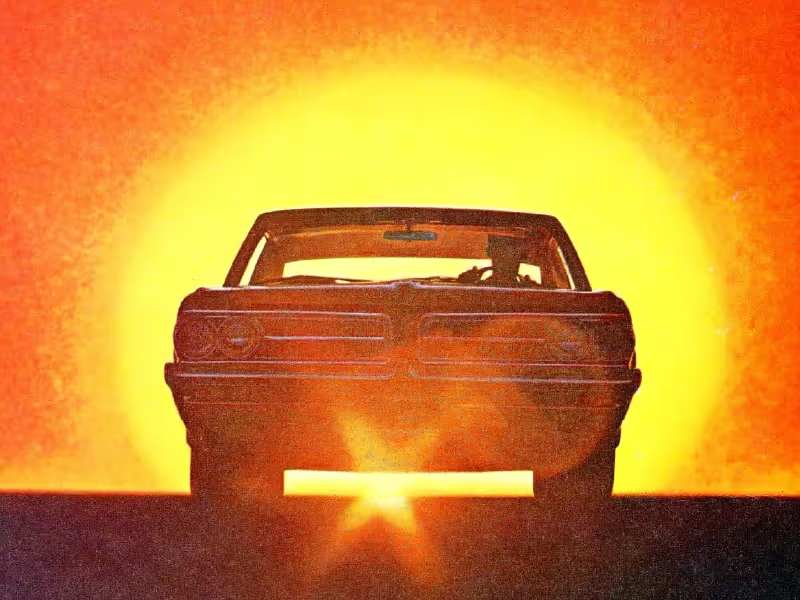
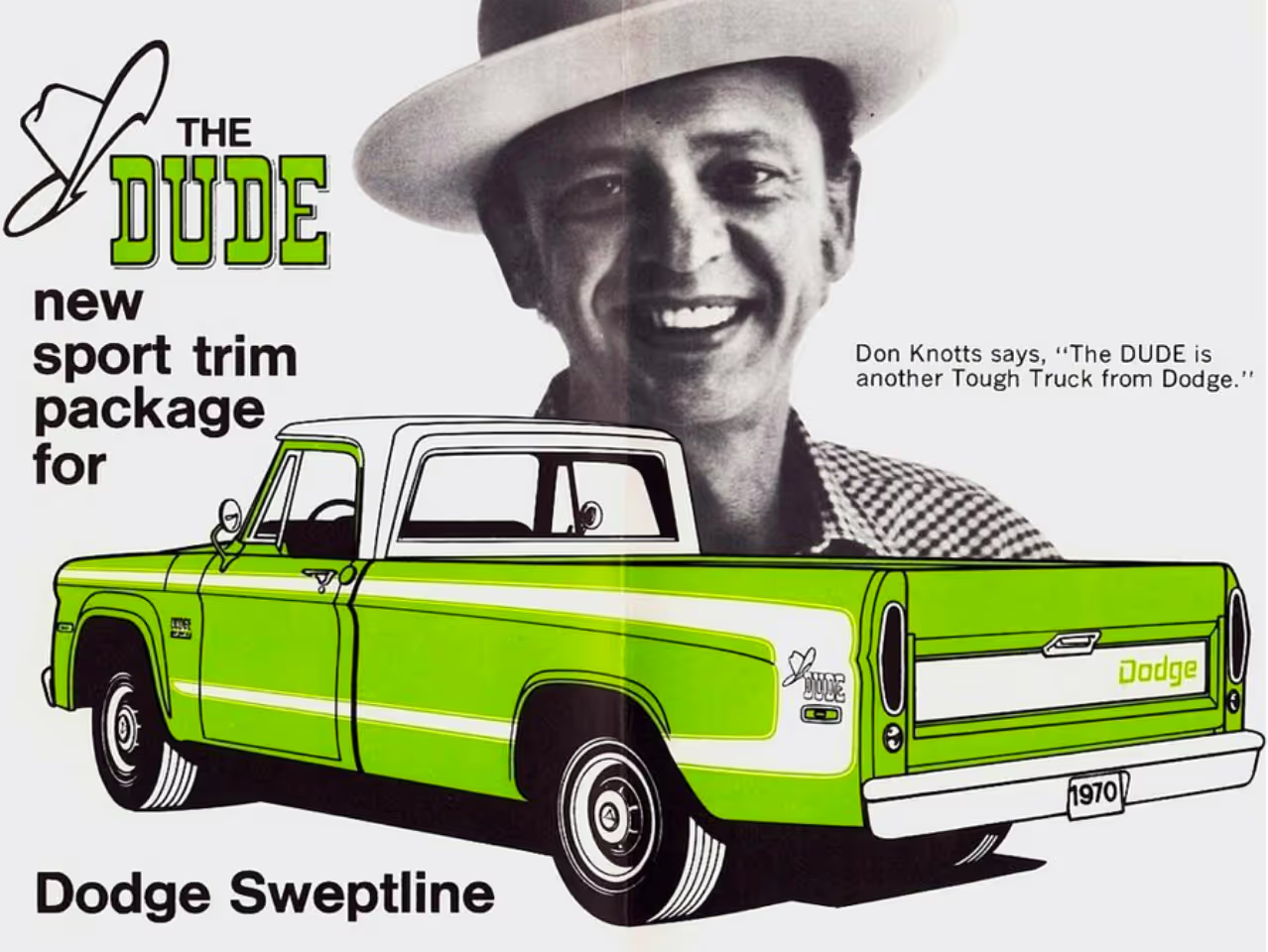
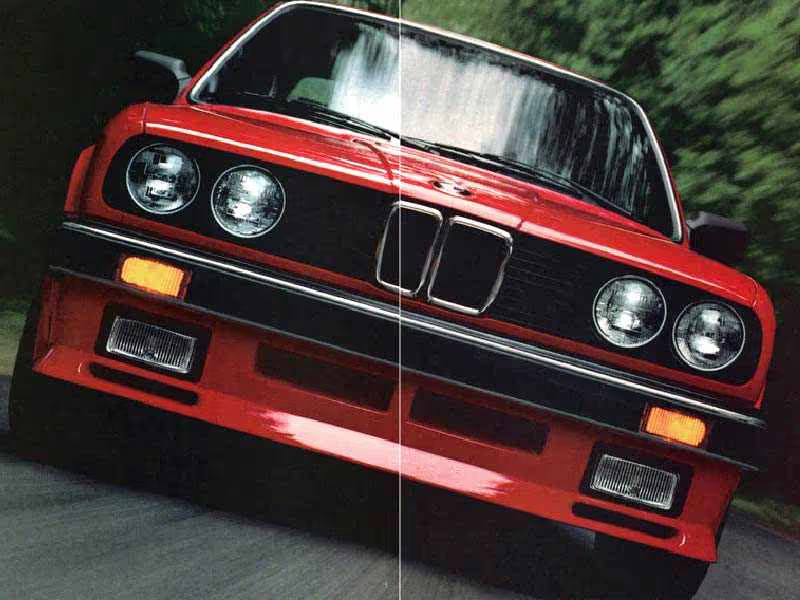
A grainy photo from 2009 is fine if it’s the only shot of the original owner. Your main photo of the finished car should be sharp, well lit, and clean. For more on that, see our Car Photo Tips guide: Hero Photo Tips. Though there are exceptions where a photo can be turned into an illustration or piece of artwork.
What to Leave Off
Every line on a car show board competes for those few seconds. Cut anything that doesn’t earn its spot:
Long paragraphs nobody will finish
Every receipt and part number
Prices paid, offers received, or “not for sale” signs
Inside jokes
Small fonts. If it can’t be read from fa few feet away, it may as well not be there.
Your phone number or email in big type (a small line at the bottom is fine if you want contact)
Trophy counts from every show you’ve entered (one major award is plenty)
Complaints about the build, like “the paint shop took two years”
Disclaimers such as “still a work in progress” or “excuse the dust”
Horsepower or dyno numbers you can’t back up
Clip art, flames, or checkered flag borders that compete with the content
Too many fonts (three is the limit)
Long lists of aftermarket brand names, unless the parts are the point of the build
Handwritten corrections or tape over old info
Layout and Size
Use big type for the headline, medium for specs, and a comfortable size for the story. Leave open space around each section so the eye can find its way.
A 20x24 board on an easel holds its own on a crowded lawn. It's the perfect balance between readable and portable. Since not everyone has a 1972 Cadillac DeVille. A smaller board works on a dash or in a windshield. If you show outdoors, go with UV protected printing so it doesn’t fade over a season in the sun.
Get Help With Yours
My father had a 1985 VW GTI, that was passed to me 10 years ago. I could tell you every detail about that car and it's history, but I can’t fit it into ten seconds for a stranger at a show. That’s why a good car show board matters. It does the talking when you’re off getting coffee.
We build custom show boards with your specs, your history, and your photos, laid out by someone who’s spent plenty of Saturdays on that lawn.