
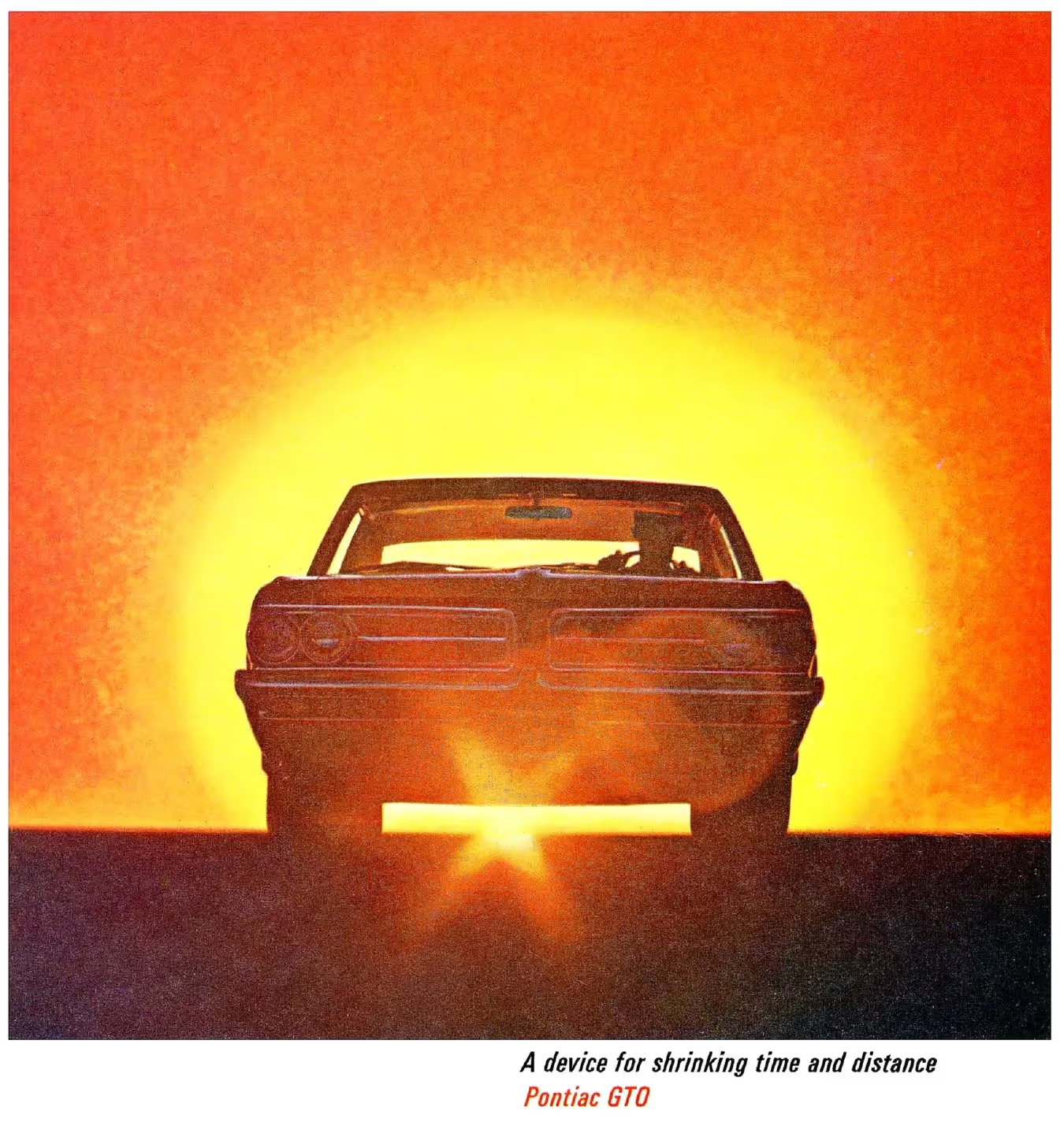
By the fall of 1963, Pontiac dealers had already taken 5,000 orders for a car that GM's corporate office didn't officially know existed. Pontiac had hoped to sell 5,000 GTOs for the entire 1964 model year. They sold 32,450. The car hadn't changed anyone's mind. The ad campaign had already made it up before the car ever reached a showroom floor.
The loophole
General Motors had a rule: no engine over 330 cubic inches in a mid-size car. It existed for a reason, to keep big-block muscle out of the smaller, lighter platforms a younger buyer could actually afford. John DeLorean, Bill Collins, and Russ Gee wanted a 389 cubic-inch V8 in exactly that kind of car, the Tempest and LeMans line. So they didn't build a new model. They built an option package.
Call it a $295.90 add-on to the LeMans, and technically nobody at the top of GM had to approve a new muscle car. They'd just signed off on a trim level. By the time anyone upstairs noticed what that trim level actually was, dealers were already writing orders on a car that, on paper, barely existed.
The ad man before the ad
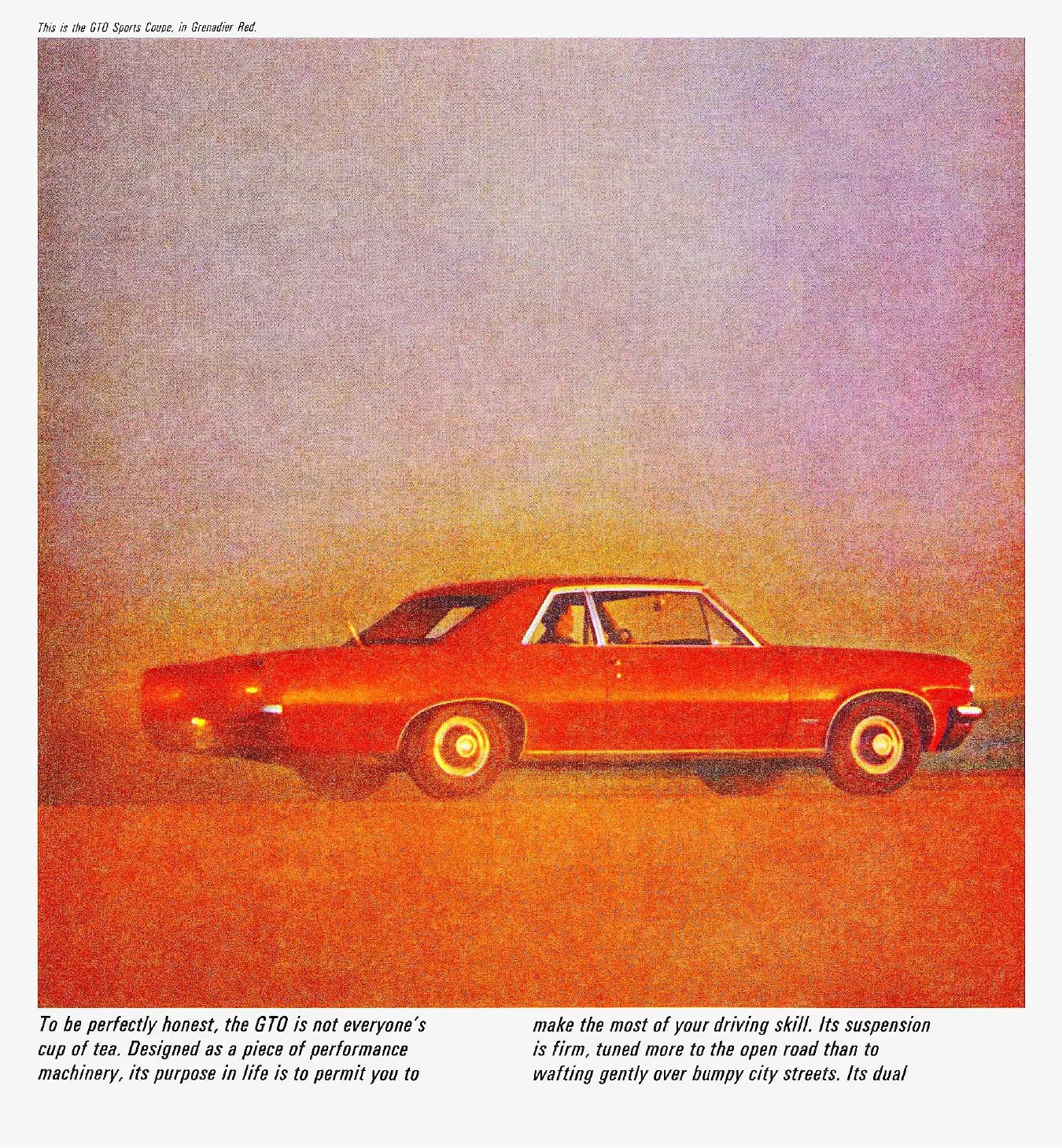
DeLorean brought in Jim Wangers, a VP at Pontiac's agency, McManus, John & Adams. Wangers didn't wait for the engineering to finish. He built the myth in parallel with the car, and he built it for people who hadn't seen a spec sheet yet and had no plans to read one.
The clearest proof of how far that went: the March 1964 issue of Car and Driver ran a cover story pitting the GTO against its namesake, the Ferrari 250 GTO. Inside, the magazine admitted it never actually got a Ferrari to test. The comparison was hypothetical. What wasn't hypothetical was the test car itself. It came from Ace Wilson's Royal Pontiac dealership outside Detroit, prepped quietly by Wangers and Pontiac engineering with a 421 H.O. swapped in for the stock 389, a close-ratio four-speed, and 3.90 gears. Because Pontiac's V8s looked identical from the outside, nobody at the magazine noticed the engine wasn't the one you could actually order. The car ran the quarter mile in 13.1 seconds. The cover ran anyway. David E. Davis later said that single road test changed everything for the magazine. It also proved the ad campaign wasn't confined to ad pages anymore. It had reached into the buff books too.
Building the Tiger
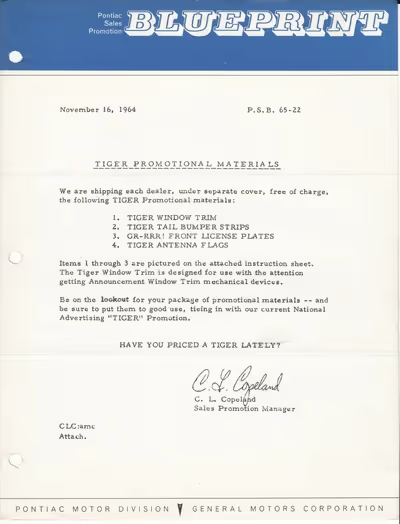
The tiger language didn't start with the GTO. Pontiac had already run "Two Tiger" and "Three Tiger" engine packages on the 1963 Tempest. The GTO just took the metaphor and ran it straight into the showroom.
Copywriters under Wangers gave the car nicknames it never asked for: The Tiger, The Great One, The Humbler. Dealerships got tiger-print seat covers, tiger rugs on the floor, a fake tiger tail hanging out of the trunk on the TV spots after a real tiger proved too dangerous to keep using. In 1965, Pontiac still brought a live tiger into dealer promotions for the print work. U.S. Royal ran ads supplying the GTO's "paws," tying its own Tiger Paw tire line to the car by name, a corporate cross-promotion built entirely on a metaphor nobody had asked for and everybody bought anyway.
Royal Pontiac took the costume and gave it teeth. Ace Wilson's dealership ran its own in-house tuning program, the Royal Bobcat package, that quietly reworked timing, carburetion, and jetting on customer cars for real quarter-mile gains. It wasn't advertised in the traditional sense. It spread by word of mouth at the strip, which made it more convincing than any print ad could have been. The factory sold the myth. Royal Pontiac made sure some of it was true.
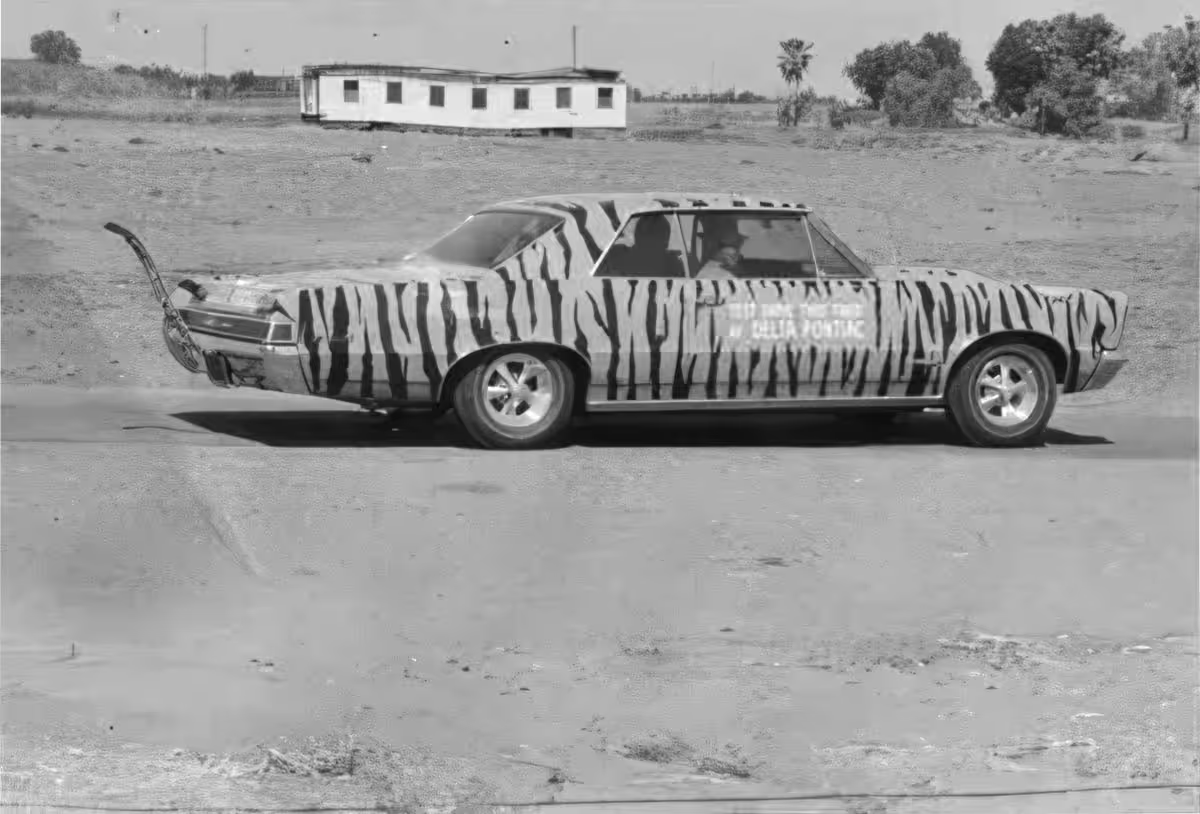
None of this sold horsepower on its own. It sold a costume, and a generation put it on.
Selling a feeling, not a spec sheet
In 1964, Ronny & the Daytonas had a Top 5 hit called "G.T.O." Wangers is widely credited with pushing the idea that the car needed a song of its own, the same way it needed a mascot and a nickname. A car that gets a hit single isn't being sold as transportation. It's being sold as an identity, something you could opt into on a Saturday night whether or not you actually owned one.
This is the part of the Pontiac GTO story that matters most if you build anything around a vintage ad, a show board included. Wangers understood the ad didn't need to describe the car. It needed to describe who you became by owning it. Every great automotive ad since has worked from that same premise, whether the agency behind it admits it or not.
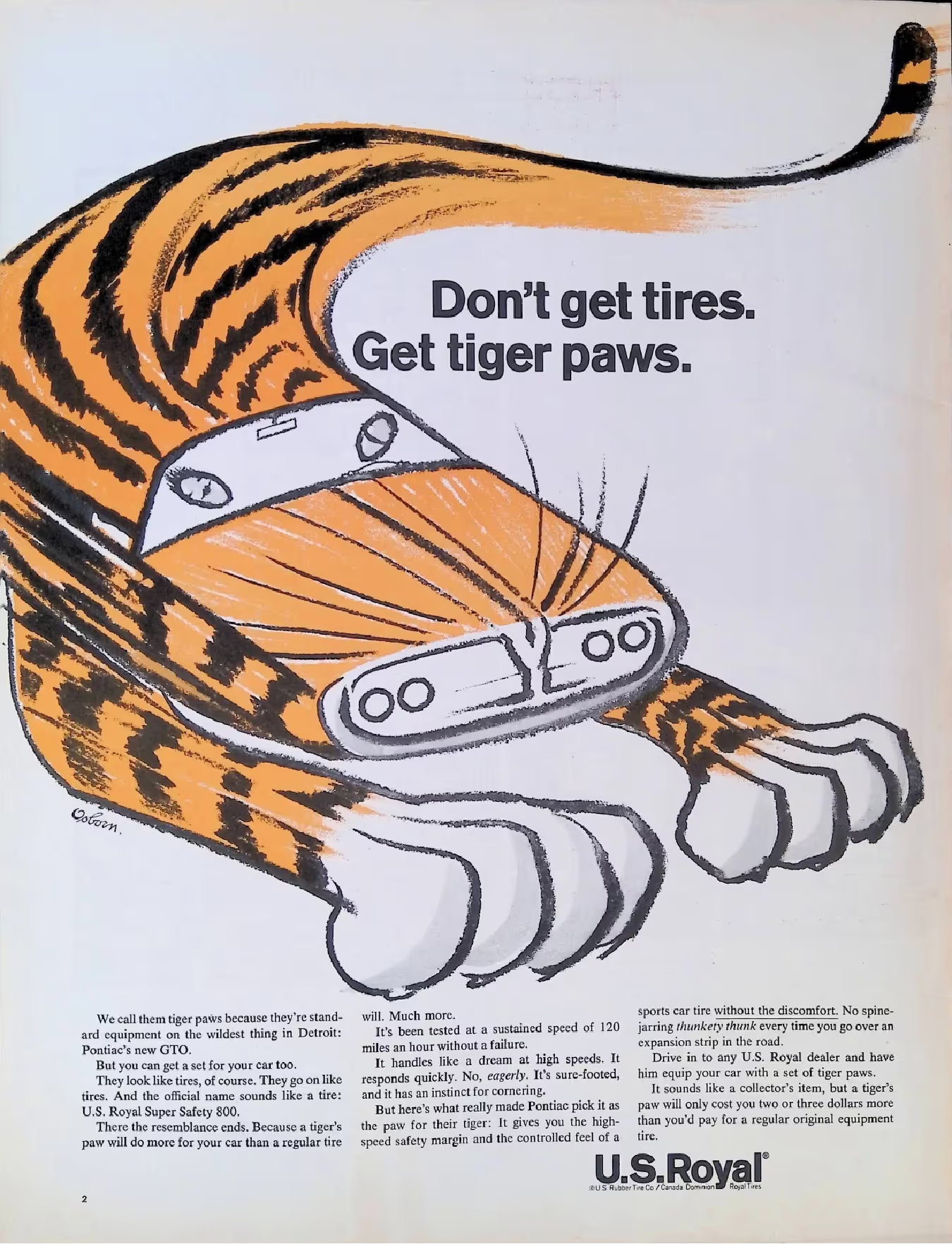
When the tiger got put away
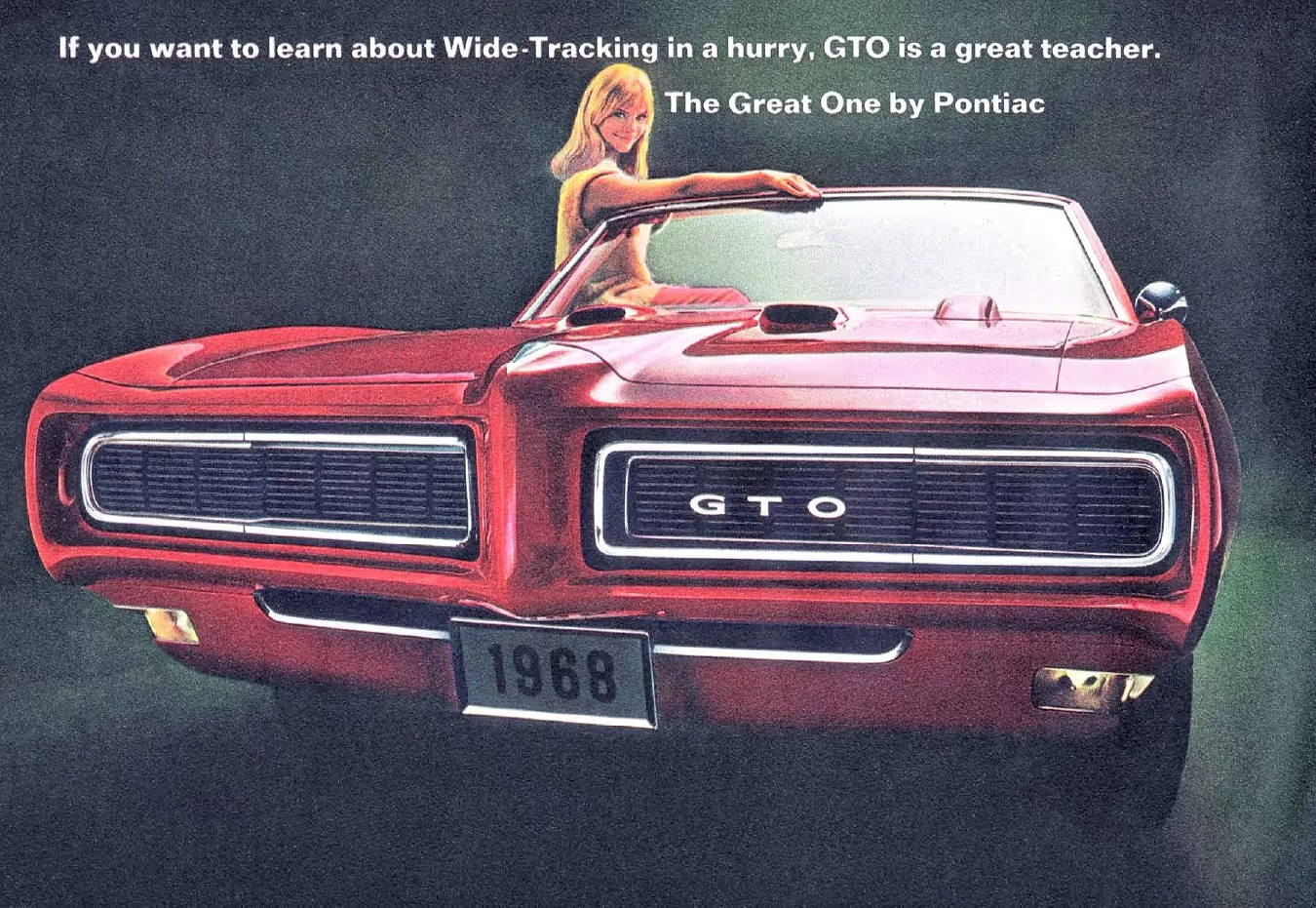
By 1967, the tiger was gone. GM's corporate leadership reportedly saw the theme as too loud, too juvenile for where they wanted the brand positioned. The campaign that had outsold Pontiac's own projections by nearly 7x got quietly retired in favor of something colder: The Great One.
The tone shifted from costume-party swagger to flat confidence. "The Great One. Get one, before you're too old to understand." Less tiger, more attitude. The 1968 lineup leaned on that shift hard, running two-page spreads with Fitzpatrick and Kaufman artwork, and one ad that simply noted the GTO had just won its fourth Car of the Year award before asking, without a hint of a smile, what did you expect?
The legacy
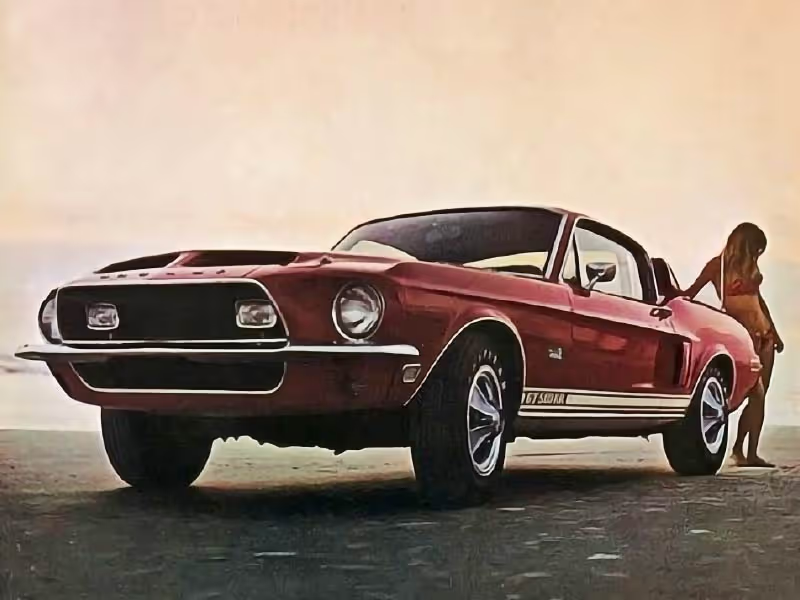
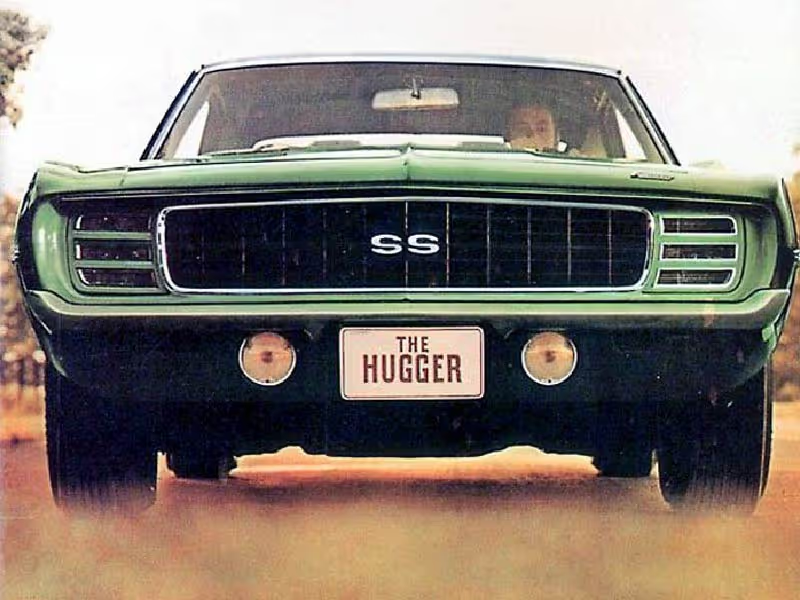
Every muscle car ad that followed, the Chevelle SS, the Road Runner, the Mustang GT, borrowed from Wangers' playbook whether the agency behind it knew it or not. Sell the myth first. Let the spec sheet catch up later. Stage the test if the test doesn't exist yet. The PontiacGTO didn't just start a car segment. It wrote the manual for how you advertise one, and Detroit spent the next decade working from that same manual with different logos on the hood.
Wangers sold a tiger to a whole generation before the car ever left the factory floor. Ace Wilson made sure some of that tiger had real teeth. Some cars still don't need a ringer. They just need someone willing to tell the story straight.
If this is your kind of story, the Mustang and Camaro ad histories are worth your time too. Same era, same instinct, different tiger.